I have been inspired by the comprehensive integration of healthcare
The most striking feature of the Nicaraguan healthcare system has been how well it appears to be organised. There is direct alignment from the president, through MINSA (the Ministry), the SILAIS (regions), hospitals, clinics, outposts, to volunteers and citizens. There is a parallel network of the FETSALUD health union and this is integrated with the local Gabinete (cabinets). All are focused on delivering universal access to free, high quality care close to home, centralised if needed.
In each SILAIS, there is an all-day meeting every two weeks between MINSA and the Director (CEO) of the Health Centres. This ensures focus on key priorities and campaigns.
The structure is pyramidal and function is both top-down and bottom-up
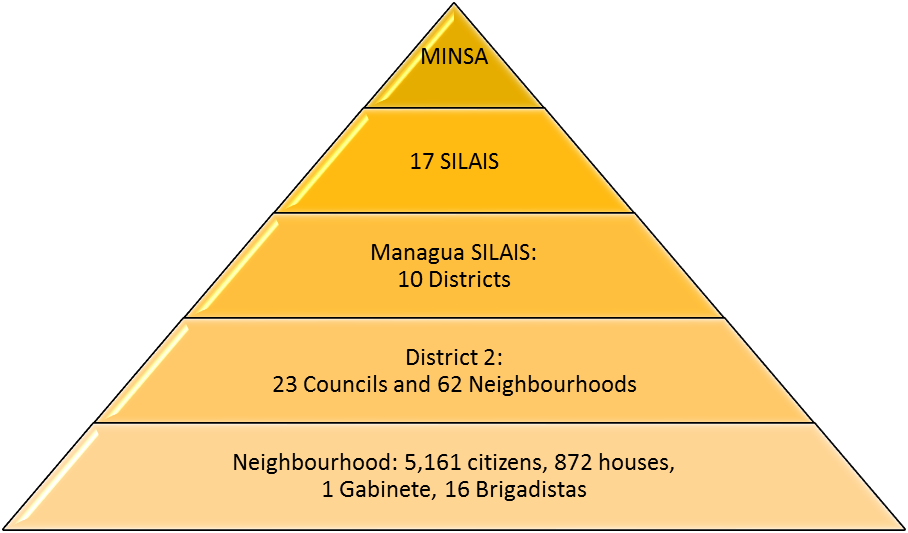
The La Morazan urban Health Centre works in partnership with surrounding hospitals, outposts and its community and their representatives. It provides primary and urgent care for a population of 73,000. If a patient needs admission, they would be transferred by ambulance to the nearest hospital or a specialist (eg Children’s) hospital.
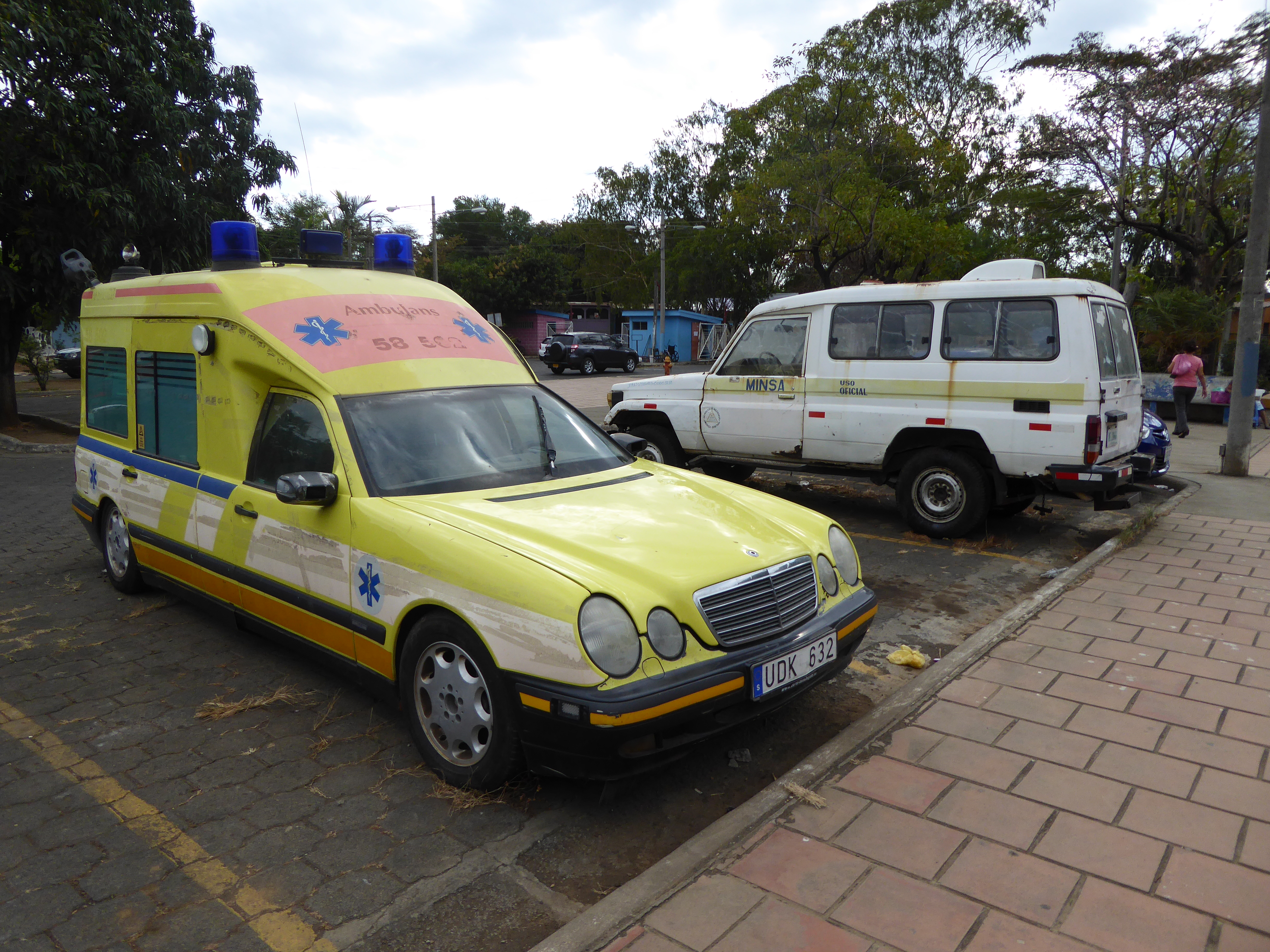
Health Outposts are the frontier between healthcare professionals and the community
The Health Centre is responsible for four Health Outposts, each catering for 7,000 citizens who may live in remote areas. The Outposts are staffed by a doctor, a nurse, a nursing auxiliary, a pharmacist and a receptionist. They may open from 7am-3pm, two to three days a week. Accommodation may be a single room, sub-divided by screens to have a medical consultation area, a nursing area and a fridge for vaccines. The team may see 40-60 patients a day and give weekly updates to the health Centre. Communication is generally by mobile phone. Our American interpreter mentioned she had a cheap phone, costing US$12. One of the brigadistas said that they can buy phones for US$4!

The FETSALUD healthcare union also has an integrated national network
There is a national executive committee and seven confederations. Each confederation has 2-3 federations (one for each of 18 departments) which are further sub-divided to municipal syndicates. There are 240 Sindicatos which are the grass-roots branches in each hospital and Health Centre. The general secretaries of the regional syndicates meet monthly and more often if needed (eg for a disease outbreak). 80-95% of health workers (doctors, nurses, managers and administrators) are members of FETSALUD. There is a board of directors with 13 representatives elected by the members. Each director has a role: eg secretary (maintains register of members), conflict management, propaganda, notekeeper, educational training and sports trainer. The syndicate works in partnership with the Gabinete as part of the Council for Human Development.
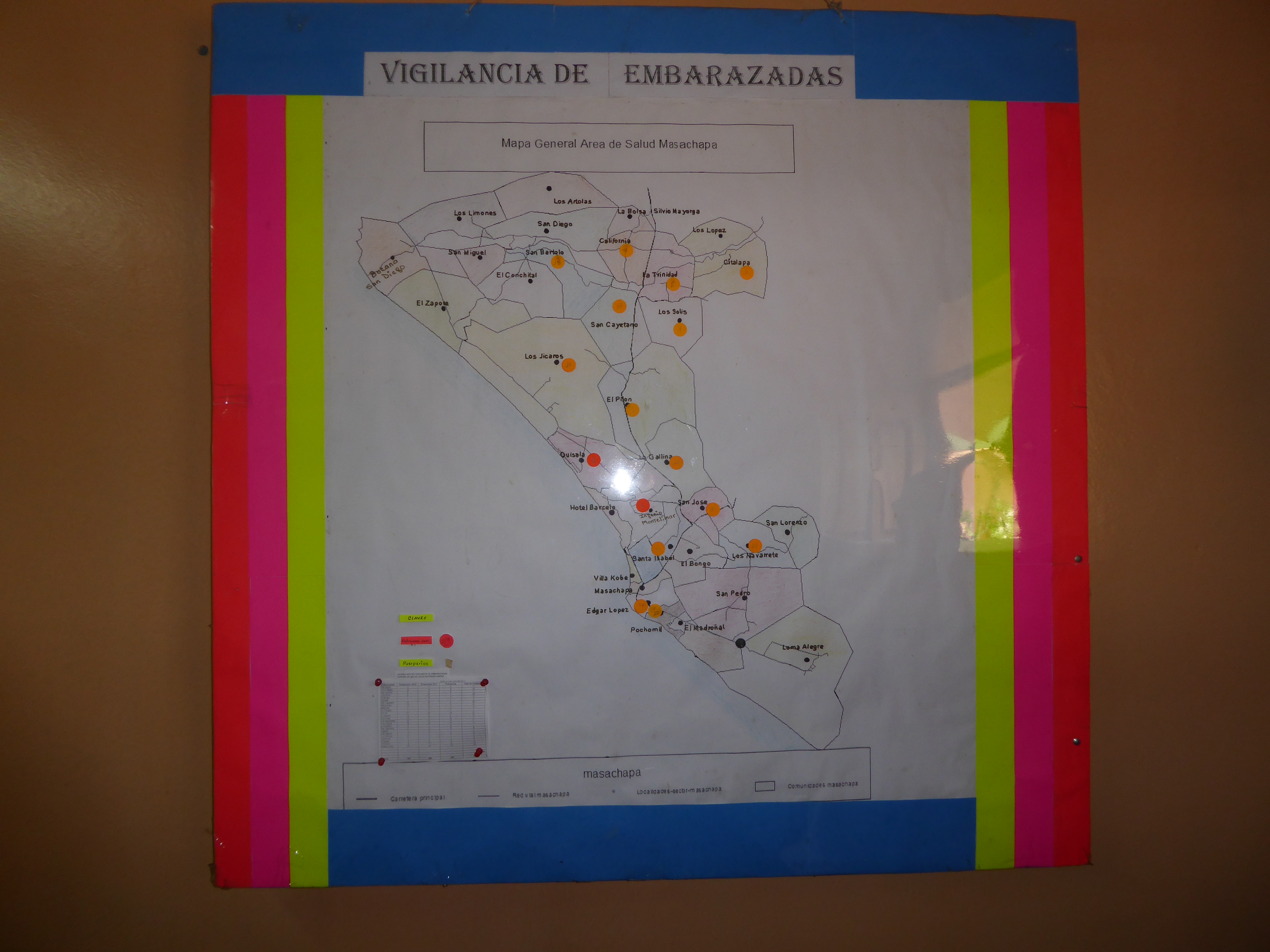
Gabinetes (cabinets) are local representatives working in partnership with the community
The Gabinete is a formal, apolitical institution. Enthusiastic, energetic citizens, keen to contribute, are asked to join. Members “shine in their love for their fellow man” and are motivated to improve their community. Barrio (neighbourhood) Gabinetes have 48 members, including eight elected as community leaders. Each member will have a specific role, such as health, education or the Sandinista Youth Movement. Two will be councillors. Leaders meet weekly and the whole cabinet meets every two weeks to discuss issues relevant to their citizens. Equally, they will share important public health messages from MINSA. The government gives direction, whilst the Gabinete has freedom to implement as they choose. “If we see a problem we take the initiative, without waiting for a mandate from above”. They work with anyone who wants to help and believe that “any problem is a problem for everyone”. The leaders are known by all in the area and have much more influence than outsiders from the Health centre. The reward is simply the “personal satisfaction of knowing you can make a difference, improving the health of the community.”
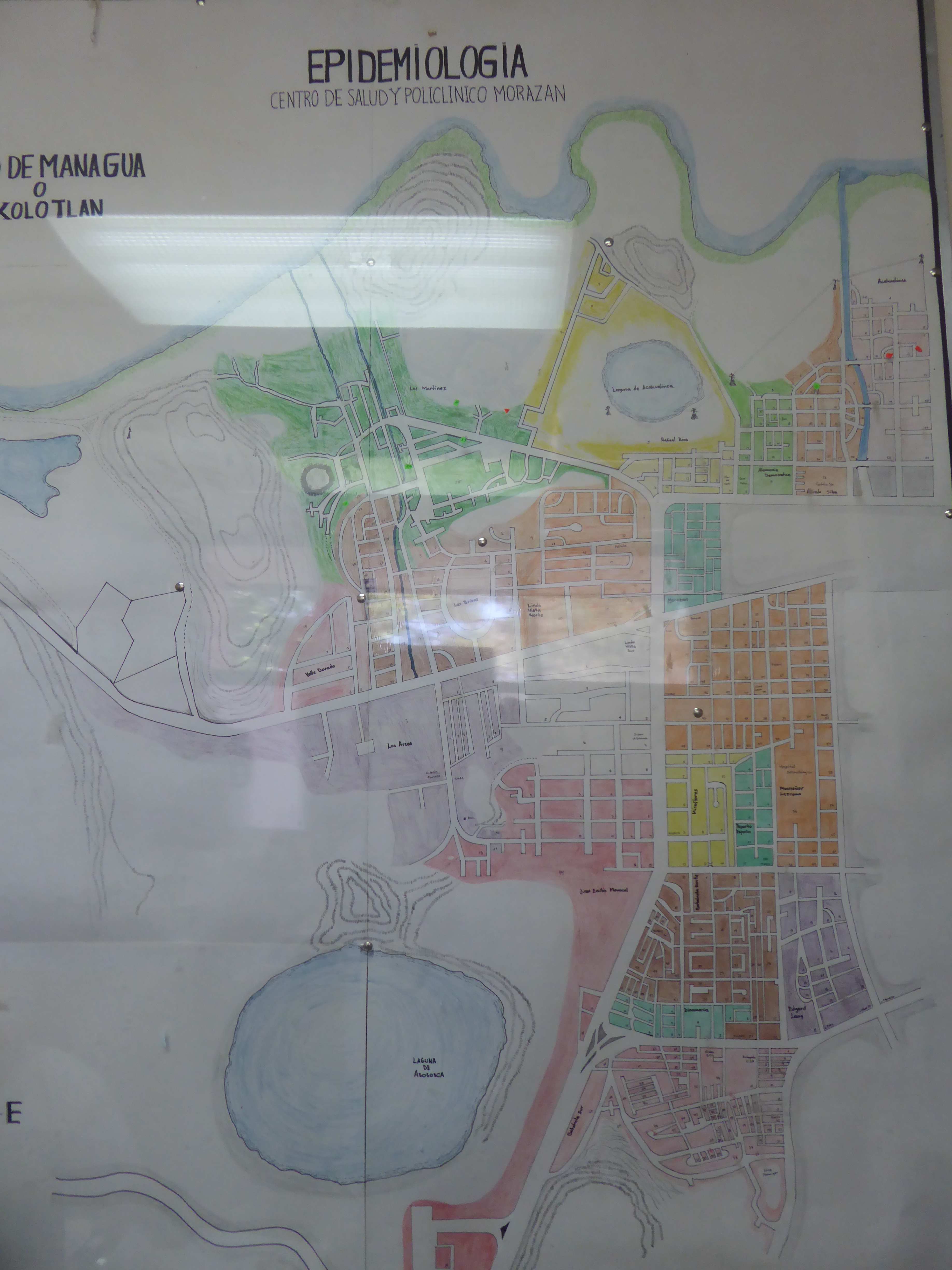
Brigadistas are trained to prevent common conditions and promote health
Although unpaid and with no material benefits, there is no shortage of volunteers to become Brigadistas de Salud (member of a health brigade). Each manzana (1.74 acres or 7,000m2) has one brigadista. There are 30,000 in Nicaragua and they are generally aged from adolescence to 40 years old. Some become healthcare workers and may receive scholarships from FETSALUD to study. One benefit is that brigadistas get to bypass queues if they need healthcare.
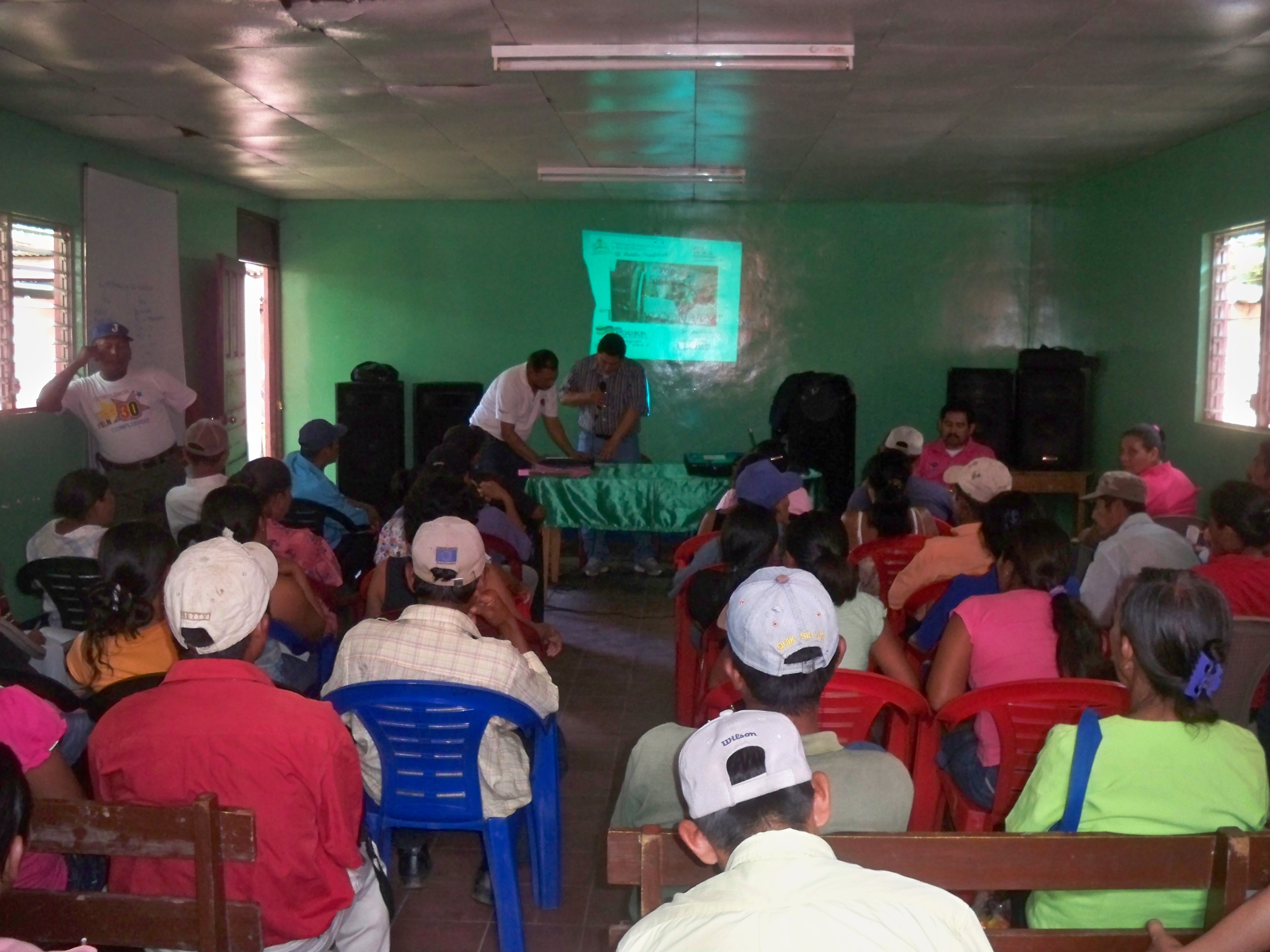
The local hospital or health centre teaches about 60, once a month. Topics will be decided by the brigadistas, although MINSA may say there is a priority area (eg a disease outbreak). Brigadistas then feedback to their community what they have learned. Current priorities include:
- First response
- Health promotion
- Health education (presentations to a group or informally)
- Natural disaster (earthquake, flood, tsunami)
- Teenage problems (including pregnancy)
- Prevention of mosquito-borne illness (malaria, dengue fever and chikungunya)
- Sexual health
- Immunisation
- Antenatal care

Brigadistas are pivotal in engaging citizens at a local level
If someone becomes ill, a brigadista will assess them and call for help if necessary. They will decide whether the patient needs a review and whether they can travel or request a home visit. If a healthcare team is coming to their municipality, brigadistas will identify people who would benefit from their attention. They will participate in regular campaigns such as immunisations of children under five years old or fumigation to eradicate certain diseases.

A surprising feature of their work is that it occurs door to door! If someone is not brought to an appointment, a brigadista will visit the family at home. The mosquito eradication and immunisation programmes are also door to door.

Brigades are voluntary missions to improve health in remote areas
Each Hospital and Health Centre will organise Brigades at intervals. The Nilda Patricia Hospital plans one a month. The team consists of 90 people in three groups of 30. Each group will have a variety of doctors and nurses drawn from a group of healthcare centres. Each hospital may contribute two staff. The local community matches the 90 with 90 locals. The teams will spend a month embedded in a rural community. The government decides on the focus of the mission and FETSALUD organises it. The Brigadistas identify those in need, according to the purpose of the Brigade. Projects include immunisation, mosquito eradication and health education.

There are also national campaigns such as “Everyone is with you” for children with a disability. Por Amour (for love) is for all children under six years to ensure they maximise their developmental potential. Brigadistas go from house to house to inform about normal development and offer support to those with delayed development.
Overall, I have been thoroughly impressed by the comprehensively integrated model of care which is both top-down and bottom-up. Is this something that would add value in the UK? Could it be replicated?
 s3bster's Blog
“If we see a problem we take the initiative, without waiting for a mandate from above”. I like this and the concept of an integrated such that seems to be underpinned by a common purpose of humanity – a concern for everyone’s well-being. I wonder what the outcomes are like in terms of survival rates, quality of life etc
Dear Algar
Thank you. Having seen the volunteering in practice, I am even more inspired! They do capture a fair amount of data. This includes demographic, measures related to access and immunisation coverage as well as prevalence of infections.
Do you think the volunteering might work comprehensively in the UK?
Hello Sebastian – I have now had the chance to catch up with your earlier posts from during your visit. Thank you for relating the visit and the system so clearly. I see no reason why with good community Organisation skills this could not work here. It would fit in well with the integrated care policy and FYFV. Birmingham & other places are piloting the Village concept. It appears there is some learning we could take from Nicauragua. I shall follow your progress with a keen interest. Thank you
Dear Algar
thanks again! Could you please put a link to the Birmingham Village concept here and describe what it is?