Health Centres provide primary care and support the community
Despite limited resources, health centres are essential to the Nicaraguan health system. They combine acute care, follow up and health promotion with outreach and support for remote communities. Our delegation visited a teaching health centre in Managua, the capital, and one in a rural area (which I will describe in a future blog).
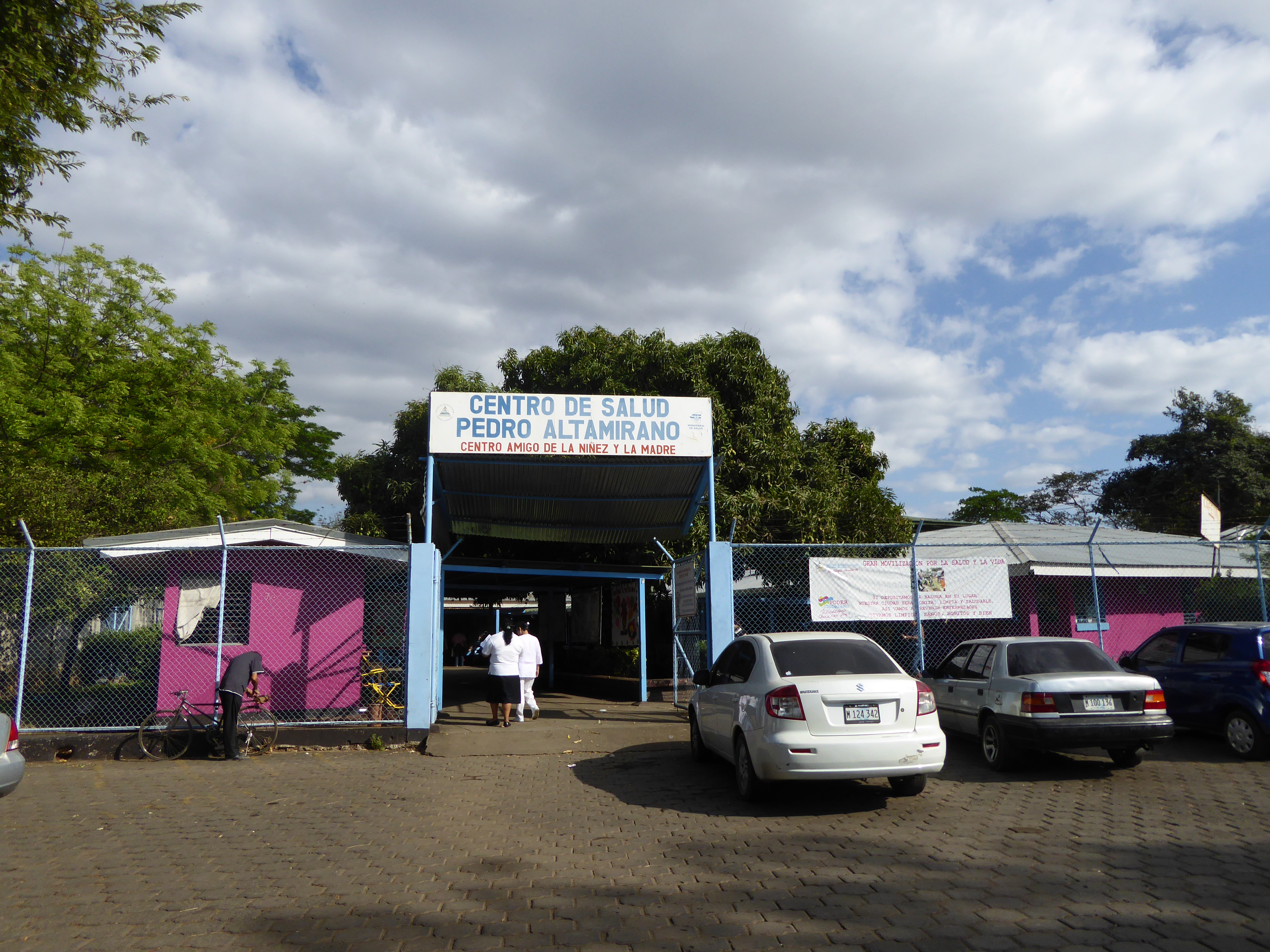
The Centro de Salud Pedro Altamirano (Managua) is a model of integration
In many ways, the function is similar to ours in the UK. What impressed me is the level of integration and determination to keep families healthy. In fact, this could be a model for the Multispecialty Community Providers or Primary and Acute Care Systems. They also track a comprehensive data set and perform with minimal technology and money.

The staff are patient-focused, committed and passionate
Cesàr Castillo has been the Centre Director for three months. He has three years experience at this level and is passionate about his role. He said he was most proud of, “the disposition of the staff; we work hard – one is as good as ten!” His chief nurse added that she was proud of “the work we do and relationship with the community. If someone does not attend, we go out looking for them!” The head pharmacist summed up their contribution: “we offer the attention and give what they need. We offer everything, including medicines and contraception, totally free.”
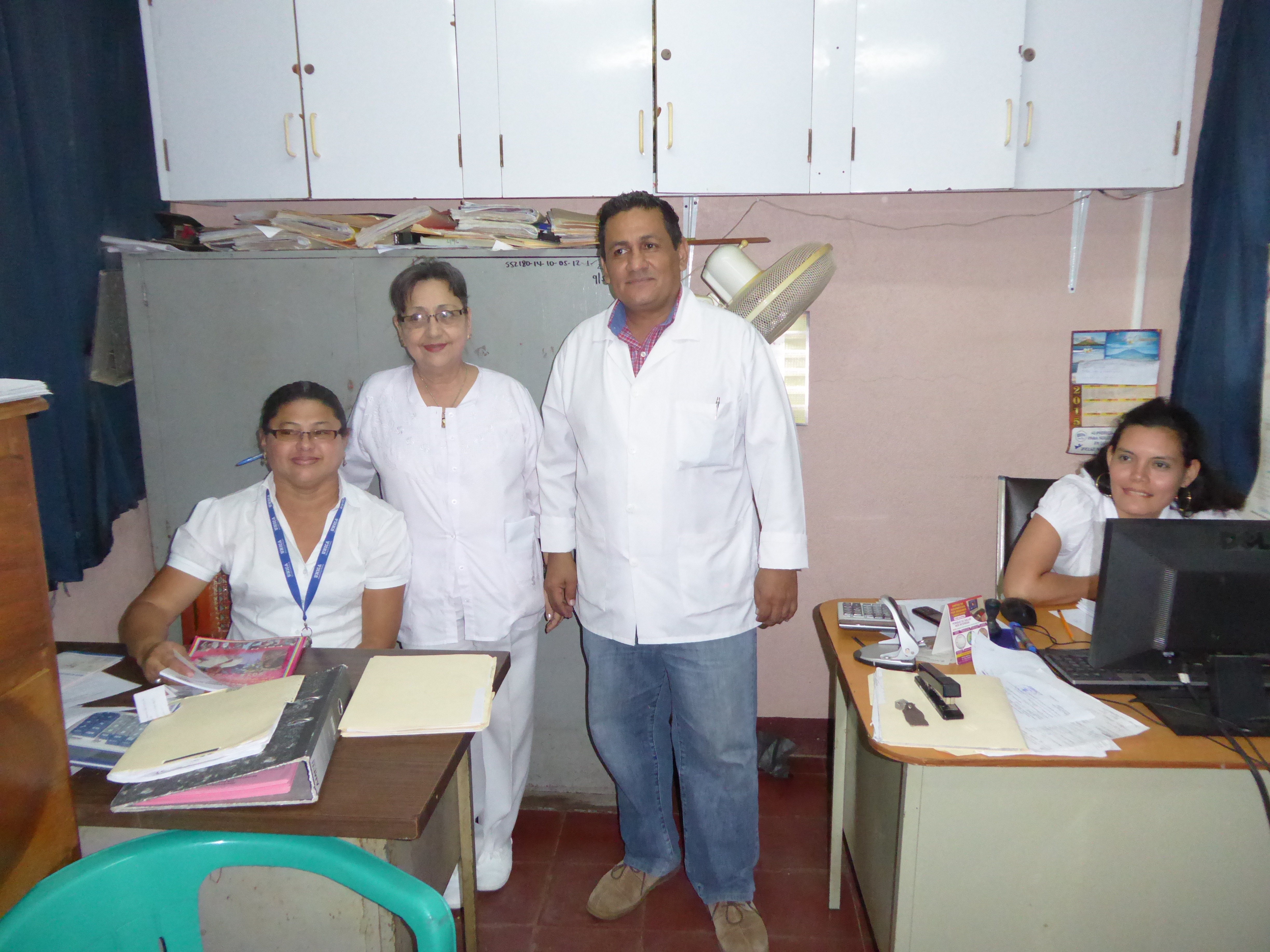
The Health Centre works in partnership with 5 Health Outposts to cover 168,000 citizens
There are 176 staff (141 women) across the six sites. In total, they see approximately 500 patients a day. Services in the main Health Centre include a 24/7 emergency department. There is an old ambulance for transferring patients who need admission to one of two local hospitals. The Health Centre has no in-patient beds of its own. The Outposts are up to 11km away and are run by one doctor, a nurse, a physician assistant, a pharmacist and an administrator. They are trusted, embedded in the community, understand the needs and regularly visit all citizens (eg for a vaccination campaign). At all sites, staff make every contact count with health promotion and disease prevention advice.

Specialties include general medicine, internal medicine, paediatrics, gynaecology (including gynaecological cancer), dental, psychology, psychiatry and physiotherapy. Epidemiology (Public Health) monitors disease outbreaks, of which the most serious are Dengue Fever and Chikungunya, both spread by mosquitoes. There is also a Zoonosis specialist (Environmental Health) who works to control rabies and other infections spread by animals. Common long term conditions include diabetes, hypertension and epilepsy. The laboratory, clinics and pharmacy open between 7-8am and close at 4-5pm, seven days a week.

Clinical practice and communication is low-tech, partly due to a lack of resources
There are four computers, connected on an internal network and to MINSA, the Ministry of Health. There is no access to the internet or external email, whether by a wired or wireless network. This appears to be MINSA policy.

Medical records and immunisations are written on paper and kept on site. Data is captured on demographics and activity and transferred to a computer database. I was surprised to discover that they prefer typewriters and carbon copy paper to computers as they are more reliable! The electricity supply used to be variable. It has improved with the new Sandanista government.

Many walls contain locally designed large colourful posters giving advice on immunisations, sexually transmitted diseases, breast feeding and mosquito-borne infections.

There is an on-site pharmacy with no fees and no queues
The patient takes a prescription to the pharmacy. If an injection is required, the patient returns it to the doctor or nurse who administers it. Common treatments are antibiotics, insulin and metformin for diabetes, cardiac medicines (atenolol, captopril, digoxin), contraception and carbamazepine for epilepsy. There are no opiates, controlled drugs or anaesthetics, apart from lignocaine, a local anaesthetic for dental procedures.

The Health Centre needs basic equipment
Whilst the team were able to deliver a good service, they clearly believe they could improve the quality of care with more resources. Clinical equipment needed includes a defibrillator, tools for minor surgery, an XRay, Ultrasound and Doppler Ultrasound scanner. A document scanner, photocopier and better IT systems would also help. This could improve communications with the health outposts and main hospitals. The ambulance needs replacing as it is old and, apart from a single trolley, contains nothing inside at all!

 s3bster's Blog
Excelente me encanto el post muy profecional e interesante 😀